The hidden cost of missed heat events is rarely visible on a farm's profit-and-loss statement. It doesn't appear as a line item. But every time a cow cycles through oestrus undetected, a specific cascade of costs begins: a 21-day wait for the next heat event, at least one extra A.I. service, and a measurable extension to calving interval. On a 100-cow herd, these individual events add up to real money across a full breeding season.
Most farms have a working estimate of their heat detection rate, and most know the number isn't where they'd like it. What's less common is a clear accounting of what each detection miss actually costs, broken into components that can be compared against the cost of improving detection.
Why the 21-Day Reset Matters
Bovine oestrus follows a cycle of roughly 18 to 24 days, with the population average sitting close to 21 days. When a heat event passes undetected, the clock resets. The cow won't come back into standing oestrus for another three weeks, and there's no way to accelerate that without hormonal synchronisation, which carries its own costs and management demands.
This is the central arithmetic of the missed heat problem. If your herd target is a six-week in-calf rate, a single missed heat event for any cow effectively pushes her three weeks back from her starting point. One missed cycle is often recoverable. Two consecutive misses starts to compromise her chances of conceiving within the target window entirely, particularly if she's a later-calving cow with less time to spare before the end of the joining period.
The reset isn't purely a biological inconvenience. It's a scheduling constraint with direct financial consequences, and those consequences compound when multiple cows miss heat events in the same week.
What a Missed Heat Actually Costs
Break it into components.
The most visible cost is the extra A.I. service. In Australia, semen straws for dairy breeds range from $20 to over $80 depending on the sire and genetic merit. Add a technician service fee, which typically runs $8 to $15 per cow per visit for contract A.I. work. For a missed heat event that results in a repeat service, that's $30 to $100 per event, before you account for any extended calving interval.
The calving interval cost is harder to see but larger in magnitude. Most research on the economics of extended calving intervals in Australian conditions puts the daily cost of extra days-open in the range of $2 to $5 per cow, depending on milk price, production level, and feed costs. A 21-day extension, if it converts directly into a 21-day longer calving interval, represents $42 to $105 per cow per missed cycle. This estimate holds broadly across different production systems in southern Australia, though it varies with season and with the individual cow's production profile.
The visible A.I. cost looks manageable. The extended calving interval cost is what drives real financial loss.
Scaling to a Real Herd
Consider a 100-cow herd with a heat detection rate of 65%, which sits within the range typically achieved through once or twice-daily observation in a standard shed routine. With 100 cows cycling through a breeding season, a detection rate of 65% means roughly 35 heat events per 100 cow-cycles go unnoticed. Many of these will be first-cycle misses where the cow successfully conceives on the next detected heat. But a proportion, often estimated at 15 to 25% of repeat-service cows, will miss the optimal service window in a way that extends their calving interval by a full 21-day cycle or more.
On a 100-cow herd, that plausibly means 15 to 20 cows per season carrying a calving interval extension of three weeks or more. At a conservative $50 per extra week per cow, that's $150 per cow across three extra weeks, or $2,250 to $3,000 across the affected cohort. Add repeat semen and service costs and the total seasonal exposure sits comfortably above what most farms would describe as trivial.
These figures are illustrative rather than precise, but the direction is consistent with what producers across the Gippsland and Macalister regions describe when they've tracked their own data carefully over a full breeding season.
Where Detection Rates Actually Come From
It's worth understanding why detection rates sit where they do, not to assign blame, but because the causal structure matters for deciding what to change.
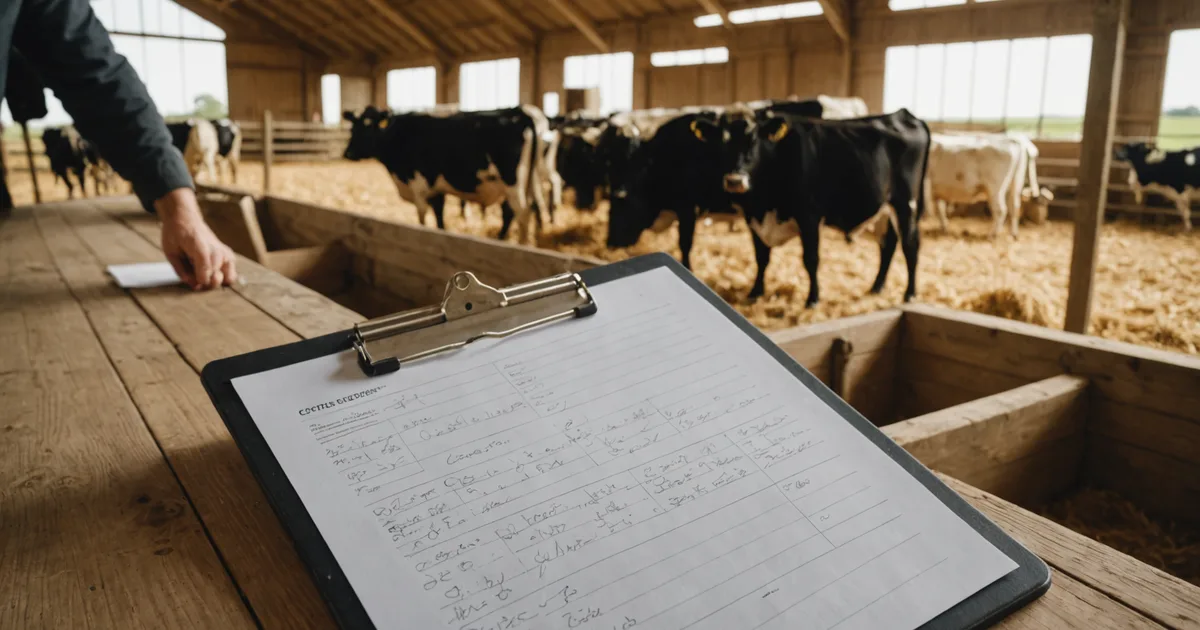
Manual standing heat observation, the traditional method, requires cows to display standing behaviour in front of an observer. This is time-limited: most farms do two observation sessions per day, each 20 to 30 minutes long. The rest of the 24-hour cycle is unmonitored. Oestrus expression in Holsteins can last 6 to 12 hours, sometimes shorter, and a significant proportion of standing events occur in the early morning hours before the first observation round.
Heat stress compresses oestrus expression further, which is particularly relevant for Australian farms during summer. Activity during oestrus drops, standing events become shorter and less frequent, and cows that would be obvious in May become easy to miss in February. This effect is compounding on larger herds: the more cows you're trying to observe in a 25-minute window, the more likely any individual event is to go unseen.
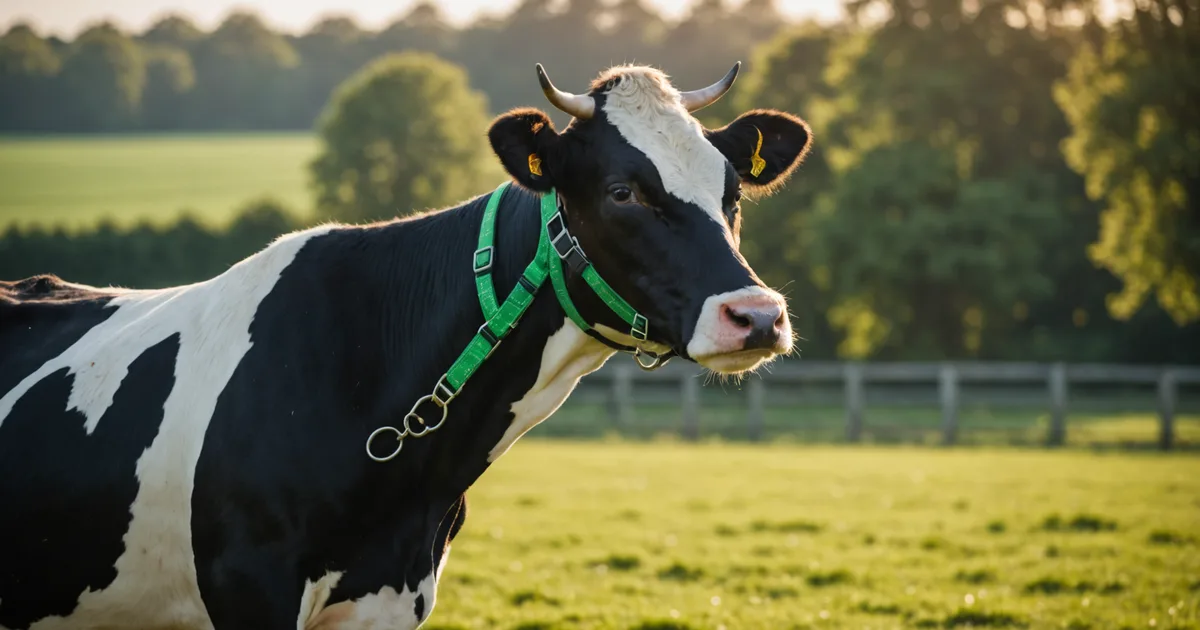
Activity collar systems address the observation gap by monitoring continuously. However, raw accelerometer data alone still produces false positives if the system is calibrated only to detect movement spikes. Oestrus in a cow that isn't displaying strong standing heat looks very similar to a cow that's been unsettled by yardwork or recently moved paddocks. The signal needs context, not just a threshold.
What This Is and Isn't About
We want to be direct about what this article is and isn't arguing. Improving heat detection is not the only lever on calving interval, and it isn't always the most important one. Body condition score at calving, voluntary waiting period management, nutrition in early lactation, and bull exposure in split-calving herds all interact with detection to determine actual in-calf rates. A herd with a low first-service conception rate will have long calving intervals regardless of how well heats are detected, because conception depends on more than timing.
The missed-heat cost calculation above assumes that accurate detection converts to conception. For herds where first-service conception is already below 45%, improving detection precision is a secondary priority to addressing the underlying fertility issue.
What precise detection does provide is a clean signal: you know when the opportunity existed, and you can act on it. From there, the service outcome depends on the broader reproductive programme.
Making the Numbers Visible
The farms that have made missed-heat cost visible in their own records tend to report a similar experience: the problem looks smaller than it is until you build a tracking discipline around it. Knowing how many heat events were detected versus expected, how many cows had a second heat detected after a missed first, and where each cow sits against the target in-calf date, turns an invisible cost into a managed one.
Ovum was built specifically to close this visibility gap. The combination of collar activity data with each cow's own cycle history makes detection more precise, and it creates a log that connects heat events to service outcomes to conception records. That log, rather than any single alert, is what lets a farm measure and reduce the cost described in this article.
Most farms find, when they first build this kind of tracking, that the number of missed heat events per season is higher than their informal estimate. That's not a criticism of the observation work already being done. It's an artefact of the fact that invisible events, by definition, don't register in anyone's count until there's a system to count them.